


%20(1)-180x120w.jpg)




07 Sep
0
1898
Research in the UK has suggested that 4 out of every 10 post-natal women are feeling embarrassment over talking about urinary incontinence, or "light bladder leakage".
At Conni, we know and understan..

05 May
0
1984
Men who are living with stress/urge incontinence will find pelvic floor muscle training can help.
The floor of the pelvis is made up of layers of muscle and other tissues. These layers stretch like a..

18 Apr
0
1886
With the roll out of the NDIS in Victoria and parts of Australia, consumers are being empowered to take charge of their own care needs.
At Conni we think this provides wonderful choices for people wh..
01 Jun
0
1708
Continence is the ability to have control over bladder and bowel function voluntarily.Most people establish continence in childhood.Some people are born with issues that prevent them from establishing..
-335x200w.jpg "Incontinence Statistics")
01 Jun
0
2067
Urinary incontinenceUrinary incontinence affects up to 13% of Australian men and up to 37% of Australian women (Australian Institute of Health and Welfare report, 2006).65% of women and 30% of men sit..

01 Jun
0
1347
According to the Continence Foundation of Australia, more than 6 million people suffer from one form of incontinence in AustraliaIf incontinence is frequent or is affecting your quality of life, it's ..
-335x200w.jpg "Men - Types of Urinary Incontinence")
01 Jun
0
1486
Incontinence is classified by the symptoms or circumstances occurring at the time of urine leakage.There are many different types of incontinence.Stress incontinenceMay be due to poor bladder support ..

01 Jun
0
1322
Urinary incontinence is a symptom resulting in loss of control of the bladder contents.It is a common problem that increases in prevalence with age and is more common in women than men.It is important..

01 Jun
0
1743
If you are experiencing any issues with continence it is important to have a full assessment by a qualified clinician.An assessment will enable the clinician to create a care plan for you and determin..

01 Jun
0
1403
Continence is a sensitive issue. Clinicians need to actively listen to the patient and avoid making judgmentsIt is essential to respect the patient’s right to choose the most appropriate treatment opt..

01 Jun
0
1255
The two most common forms of male incontinence are stress urinary incontinence (SUI) and overactive bladder (OAB) with concomitant urge urinary incontinence (UUI).Stress incontinenceRefers to incontin..
01 Jun
0
1291
What is the Prostate?The prostate is part of the male reproductive system. The prostate is a walnut-sized gland located between the male bladder and the penis.The prostate is just in front of the rect..
01 Jun
0
1259
The causes of prostate enlargement are not yet fully understood but are thought to be related to the male sex hormone (testosterone) which controls the growth of the prostate.The prostate is initially..
01 Jun
0
1412
Intermittent catheterization (IC) is the insertion and removal of a catheter several times a day to empty the bladder.After the bladder empties, a small amount of urine may remain in the bladder. This..

01 Jun
0
1273
Sacral nerve stimulation (SNS).Using an electric stimulator (similar to a pacemaker) under your skin, your doctor can zap your sacral nerve with electric pulses. This can help calm bladder spasms.Uret..

01 Jun
0
1284
Incontinence is the accidental or involuntary leakage of urine, faeces or wind.It is a common condition; one in three women who have had a baby, and up to 10% of women who haven't had a baby, have bla..

01 Jun
0
1275
Adequate Fluids:Once you have had your 6-8 cups or glasses of fluid, reducing your fluids after your evening meal will help you to stop getting up overnight.Eliminate caffeinated drinks (remember chai..

01 Jun
0
1476
Stress IncontinenceWeakness in the urinary sphincter and/ or pelvic floor musclesUrine loss is triggered by activities that cause a rise in intra-abdominal pressure e.g. coughing, sneezing, jumping, l..

01 Jun
0
1387
The pelvic floor muscles:Stretch like a muscular trampoline from the tailbone (coccyx) to the pubic bone (front to back) and from one sitting bone to the other sitting bone (side to side).Pelvic floor..
-335x200w.jpg "Medication and incontinence")
01 Jun
0
1595
Medications aim to reduce the spasms of the bladder that cause urge incontinence.Most commonly the drugs used are :Anticholinergics. The largest class of drugs used to treat OAB is anticholinergic dru..

01 Jun
0
1435
Persistent bladder pain affects the quality of life considerably. Why it occurs is not exactly known, and there may be more than one cause.The diagnosis is made when no other causes of bladder pain ca..

01 Jun
0
1922
When you have Urinary incontinence it can be very expensive to buy products to support you in managing this. This can range from washable and disposable underwear, bedding, chair protection, and floor..

01 Jun
0
2029
Continence aids payment scheme $609.70 per year form Australian Government You may be eligible for CAPS if you are an Australian citizen or permanent resident 5 years of age or older and you have perm..

01 Jun
0
1698
State-wide Equipment Program (SWEP), provide services and systems that support consumers and practitioners to access assistive technology item that helps meet and achieve their needs and goals. The Vi..
-335x200w.jpg "Funding for Continence: NSW")
01 Jun
0
1711
Enable NSW provides assistance for consumers requiring aids for continence problems. The Australian Government Department of Health and Ageing also provides assistance for people requiring aids for co..

01 Jun
0
1767
Medical Aids Subsidy Scheme (MASS) provides subsidies funding for medical aids and equipment available to eligible Queenslanders with permanent/stable conditions or disabilities.Aids and equipment are..
-335x200h.jpg "Funding for Continence: Western Australia")
01 Jun
0
1693
The Western Australia Continence Management and Support Scheme is co-ordinated by the Department of Health, which is responsible for the clinical service, and the Disability Services Commission, which..

01 Jun
0
1454
Tasmania:Community Equipment Scheme [CES] http://www.concessions.tas.gov.au/concessions/health/community_equipment_scheme_cesNorthern TerritoryDisability Equipment program (DEP)ACT: Equipment schemeh..

01 Jun
0
1544
Sexuality involves our desire to express ourselves as human beings, to be loved and receive love. Bladder or bowel continence issues can have an enormous impact on sexuality and the way we feel about ..
01 Jun
0
1452
Family members and friends can find caring for a person with incontinence to be one of the most difficult aspects of looking after someone. Incontinence can be unpredictable, add dramatically to your ..

01 Jun
0
1286
If the person you care for is incontinent, it will be helpful for them to be assessed by your doctor or a continence nurse advisor. Many symptoms can be managed and even resolve to a certain extent.Th..

01 Jun
0
1425
Planning is crucial for managing incontinence.As a carer, there are many aspects that may need to be considered.Planning for ups and downs. Individuals living with incontinence can often feel embarras..
01 Jun
0
1468
You can call the National Continence Helpline on 1800 330 066 for support. The helpline can also tell you about continence products that are available and where to buy them.You can get financial help ..

01 Jun
0
1460
Research tells us that between 20,000 and 60,000 Australians aged 13 to 18 experience some form of incontinence. This includes daytime wetting, bedwetting, soiling (faecal incontinence) or a combinati..

01 Jun
0
1439
According to the Continence Foundation Australia, 3 to 5 per cent of children aged between five and 17 have a daytime wetting problem. One-third of these children and teens will also experience bedwet..
01 Jun
0
1696
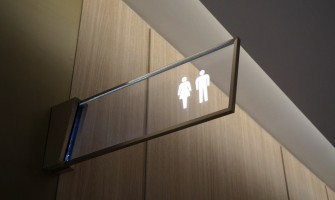
Master Locksmiths Access Key (MLAK) are a system key for disability toilets Key can be arranged to be used for access to disability toilets The MLAK system is an MLAA initiative that allows people wi..
01 Jun
0
1394
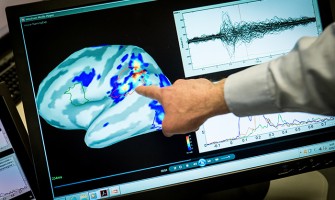
Dementia refers to a collection of symptoms that are caused by a range of disorders that affect the brain.Common signs and symptoms of dementia include:Memory trouble, especially short-term memory. La..

01 Jun
0
1462
Parkinson's disease is a progressive disease of the nervous system marked by tremor, muscular rigidity, and slow, imprecise movement, primarily affecting middle-aged and elderly people. It is associat..

01 Jun
0
1331
Multiple sclerosis (MS) is a condition of the central nervous system (CNS), interfering with nerve impulses within the brain, spinal cord and optic nerves. It is characterised by sclerosis. MS blocks ..
01 Jun
0
1271
After a stroke, you may develop incontinence. This happens when muscles that control urine and stool are weakened. Unconscious leaking is the most common symptom, but you may have other types of bladd..

01 Jun
0
1472
Brain damage can occur during foetal development or acquired after birth. Common causes of an acquired brain injury are: Accident and traumaStrokeTumoursInfectionsPoisoning and toxinsHypoxiaDegenerati..

01 Jun
0
2109
Motor neuron disease (MND) is a condition that affects neurons (nerve cells). MND leads to muscle weakness that progressively gets worse and eventually leads to paralysis.Even though this disease does..
01 Jun
0
2486
A spinal cord injury may interrupt communication between the nerves in the spinal cord that control bladder and bowel function and the brain, causing incontinence. This results in bladder or bowel dys..

01 Jun
0
1483
Obesity is defined as a BMI (Body Mass Index) of 30 or more. BMI is calculated by dividing weight in kilograms by height in meters squared. BMI calculators can be easily found online. Fat deposits aro..

01 Jun
0
1336
There are four main ways that diabetes may cause problems with bladder and bowel control:ObesityThe pelvic floor muscles support most of your body weight. Any excess weight further strains these musc..

01 Jun
0
1471
Some of the symptoms and treatments of heart failure may contribute to bladder and bowel problems such as:Frequently passing urine in the toilet (frequency) i.e. more than 8 times a day;Feeling a sud..

01 Jun
0
2206
Incontinence associated dermatitis (IAD) refers to skin irritation and breakdown caused by exposure of the skin to urine or faeces due to incontinenceIAD represents a disruption to the normal barrier ..

01 Jun
0
1296
Certain types of cancer increase the risk of incontinence.Cancers in or near the pelvic region can increase the risk of incontinence. The pelvic region holds the bladder and reproductive organs. Canc..