

%20(1)-180x120w.jpg)



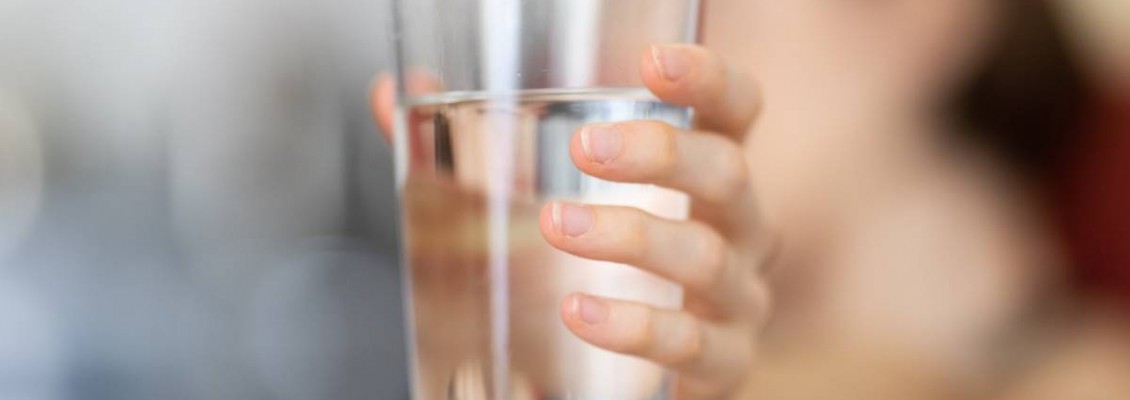
If you’re living with urinary incontinence, you might think cutting back on water will help. After all, less water means less leaking, right? Well, not exactly.
We totally get the instinct, but the truth is that staying hydrated is one of the best things you can do for your bladder (and your body). Here’s why water should still be part of your daily routine, even when leaks are part of your life.
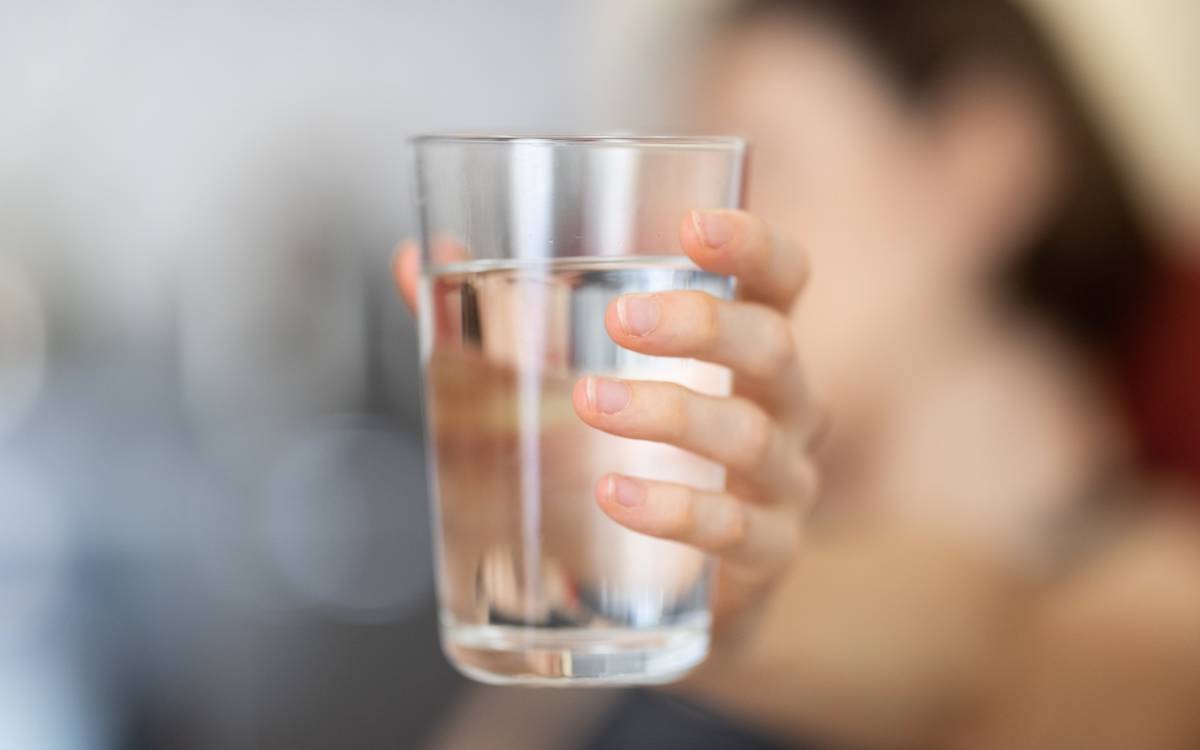
Isn’t Less Water Better?
It might seem logical to drink less when you're worried about leaks, but skimping on water can actually make things worse. When you're dehydrated, your urine becomes more concentrated. That means it’s darker, stronger-smelling, and more irritating to your bladder lining, often triggering the need to go more often and more urgently.
Plus, not drinking enough water can lead to constipation, and that’s a big deal. A full bowel can press on your bladder, making leaks more likely, according to a health article written by Jane Clark from Independence Australia.
What Does Drinking Enough Water Actually Do?
Here’s what happens when you stay on top of your hydration:
- Urine gets diluted, which means less irritation and therefore less urgency.
- Bladder infections are less likely as water helps flush bacteria.
- Constipation becomes less of a problem. Softer stools = less bladder pressure.
- Your whole body feels better. More energy, clearer thinking and better skin, too.
How Much Water Should I Drink?
There’s no one-size-fits-all rule, but a good general aim is 6 to 8 cups of water each day. You might need more on hot days or if you’re exercising, and a little less if you’re eating a lot of hydrating foods like fruit and veggies
Tip: A great way to check your hydration is to look at the colour of your urine as recommended by the National Association of Continence. Pale yellow? You’re doing great. Dark yellow? Time to sip a bit more.
If nighttime leaks are an issue, try tapering your fluids off a few hours before bed instead of stopping altogether.
What Should I Avoid Drinking?
Some drinks are bladder irritants and might make incontinence symptoms worse. You don’t have to cut them out completely, but it helps to be mindful:
- Caffeine (coffee, energy drinks, cola) – Can increase bladder activity
- Alcohol – A diuretic that makes you urinate more
- Citrus juices – High acidity can irritate the bladder lining
- Fizzy drinks – The bubbles and sweeteners may contribute to urgency (Kate Laris Urology)
Easy Hydration Tips
- Drink small amounts throughout the day instead of chugging big glasses all at once
- Eat your fluids – watermelon, cucumbers, strawberries and oranges all help
- Keep a water bottle handy – sometimes a visual reminder is all you need
- Track your progress with a bladder diary – it can be really helpful when figuring out patterns


Managing incontinence can feel like a balancing act, but drinking water shouldn’t be the thing that tips the scale. Staying hydrated doesn’t mean signing up for more leaks. In fact, it can help calm your bladder, reduce irritation and keep everything running more smoothly (yes, even those tricky nighttime bathroom trips).
It’s all about working with your body, not against it.
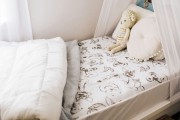
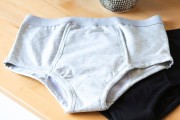
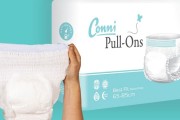
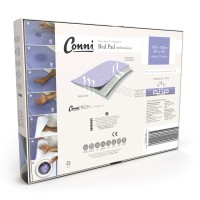
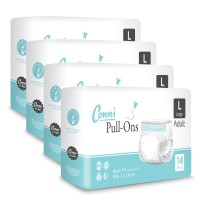
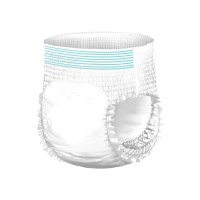
So refill that water bottle with confidence, knowing you're doing something simple but powerful for your health. And if you're ever feeling unsure, you're not alone. There are products, like our Conni Pull-Ons, Bed Pads and Chair Pads, and plenty of support out there to help you stay dry, comfortable and in control.
If you'd like to learn more about any of the products in the Conni range, please don't hesitate to contact us. You can chat with one of our friendly customer service representatives via phone at 1300 721 710, email us via the Contact Us page, or use our live chat service.