

%20(1)-180x120w.jpg)





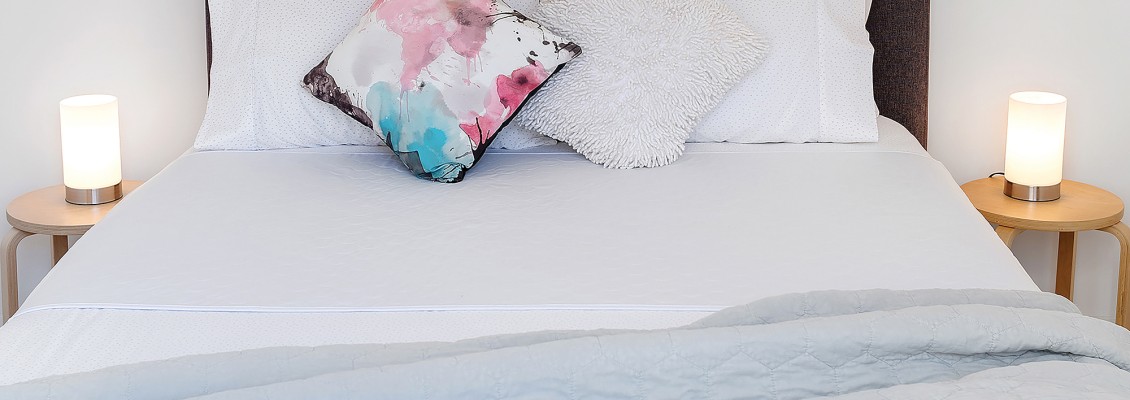
Bed pad fit guide
How to Stop Bed Pads Moving During Sleep
If a bed pad moves during the night, it usually comes down to size, placement, sleep movement or choosing the wrong style for the bed.
The simplest fix is to make sure the pad is large enough, placed where protection is needed most and suited to the person using it. For restless sleepers, children or anyone who moves around a lot, a bed pad with tuck-ins can help keep the absorbent area in place.
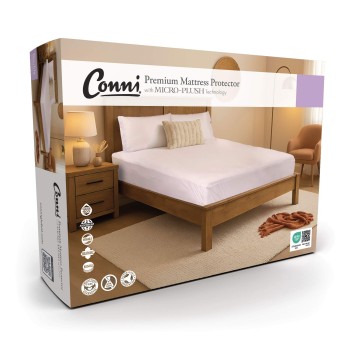
A bed pad should do the heavy lifting of absorbency. A waterproof mattress protector underneath should be the backup barrier for the mattress. When both layers are working together, the bed is much easier to manage.
Quick answer
To stop a bed pad moving during sleep, choose the right size, place it across the area most likely to need protection, smooth it flat before bed and consider a tuck-in bed pad if the person moves around at night. For extra mattress protection, use a waterproof mattress protector underneath the fitted sheet.
Why bed pads move
Bed pads can shift for a few practical reasons. The person may roll, twist or slide during sleep. The pad may be too small for the bed or the body position. The fabric underneath may be slippery. The pad may be placed too high, too low or too far to one side.
Movement is especially common with:
- Children during toilet training
- Restless sleepers
- Older people who need support repositioning
- People using adjustable beds
- People who transfer in and out of bed during the night
- Single pads used on larger beds
The good news is that most movement issues can be improved with the right setup.
1. Choose the right size bed pad
A bed pad needs to cover the area where leaks or accidents are most likely to happen. If the pad is too narrow or too short, even a small amount of movement can leave the sheet exposed.
Think about the person, not just the mattress size. A child who wriggles across the bed may need wider coverage than expected. An adult who sleeps mostly in one position may need targeted protection across the hips and torso. A person who receives care in bed may need a pad that also supports easier repositioning and changes.
If you are unsure, choose the option that gives better coverage rather than the smallest pad that might work.
2. Place the bed pad where protection is needed most
Most bed pads are placed on top of the fitted sheet, under the person. This lets the pad absorb liquid before it reaches the sheet or mattress.
For many people, the pad should sit across the middle section of the bed, where the hips and lower torso rest. For children, you may need to adjust the position based on where they naturally sleep. For adults, align the pad with the area where leaks are most likely.
Before bed, smooth the pad flat and check that it is not bunched under the body. A bunched pad is less comfortable and more likely to move.
3. Use a tuck-in bed pad for restless sleepers
If a flat bed pad keeps moving, a bed pad with tuck-ins may be the better choice.
Tuck-in bed pads have side panels that tuck under the mattress. These panels help hold the pad in place, which can be useful for:
- Children who wriggle during sleep
- Adults who roll or shift overnight
- Older people who need more stable bedding protection
- Carers who want a pad that is less likely to bunch
- Anyone who finds flat pads move out of position
The tuck-in panels are not the absorbent part. Their job is to help secure the pad so the absorbent centre stays where it is needed.
Flat pad or tuck-in pad?
Choose a flat bed pad when you want something simple to place, remove and wash. Choose a tuck-in bed pad when movement is the problem and you need the pad to stay in place more securely. Flat bed pads such as the Conni Allrounder can also be useful on larger beds as they move less and offer more converage.
4. Add a waterproof mattress protector underneath
Even a well-placed bed pad can move, especially when sleep is restless. That is why a waterproof mattress protector underneath is so important.
The bed pad sits on top of the sheet and does the absorbent work. The mattress protector sits on the mattress (under the fitted sheet if you prefer) and acts as the backup barrier. If the pad shifts, bunches or misses part of the accident, the mattress protector helps protect the mattress underneath.
For the best protection, use both layers in this order:
- Mattress
- Waterproof mattress protector
- Fitted sheet
- Bed pad on top of the sheet
- Person
5. Check the bedding underneath
Sometimes the problem is not only the bed pad. Smooth sheets, loose fitted sheets or slippery bedding can make a pad move more easily.
Before bed, check that:
- The fitted sheet is secure
- The bed pad is flat
- The pad is not sitting on top of loose blankets or wrinkled fabric
- The sleeper is positioned on the absorbent area
- The pad is not hanging too far over one side
A simple bedding reset can make the pad more comfortable and more stable.
6. Keep a spare bed pad ready
If leaks or accidents happen regularly, keep a spare clean pad close by. This makes night changes faster and less stressful.
Many families and carers find it useful to have at least two bed pads in rotation: one on the bed and one clean spare. If the pad is used every night, a third can help while another is in the wash.
Best setup by situation
| Situation | Common problem | Practical setup |
|---|---|---|
| Toilet training | Child wriggles or sleeps across a Single or King Single bed | Tuck-in bed pad over the sheet, waterproof mattress protector underneath |
| Adult night-time leaks | Pad shifts during rolling or repositioning | Larger bed pad or tuck-in style, plus waterproof mattress protector |
| Elderly parent | Leaks are unpredictable or bedding changes are difficult | Tuck-in bed pad, waterproof mattress protector and spare clean pad nearby |
| Disability or care support | Regular care routines need reliable placement | Layered bedding protection with enough pads in rotation |
| Guest bed | Need simple backup protection | Waterproof mattress protector, optional bed pad when extra protection is needed |
When a bed pad keeps moving, do not rely on one layer
If the pad keeps moving, it is a sign that the bedding setup needs adjusting. Do not rely on a single layer to protect the mattress, especially if leaks or accidents are regular.
Use the bed pad for absorbency and the waterproof mattress protector as the barrier. That way, if the pad moves, the mattress still has backup protection.
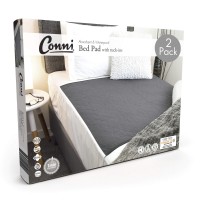
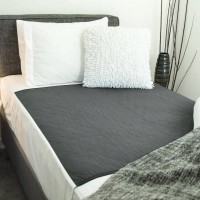
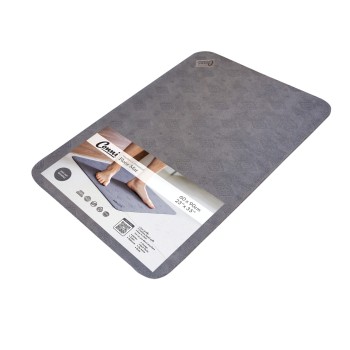
2 Packs 100CM x 100CM


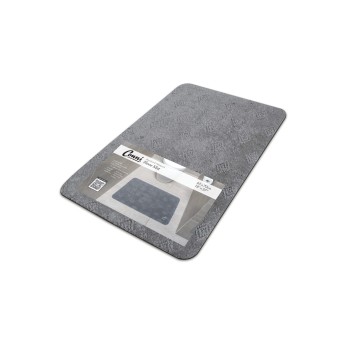
2 Packs Print 100CM x 100CM


2 Packs Print 100CM x 100CM
Frequently asked questions
Why does my bed pad move during sleep?
A bed pad may move if it is too small, placed incorrectly, sitting on loose bedding or used by someone who rolls or wriggles during sleep. A tuck-in bed pad can help reduce movement.
Are tuck-in bed pads better?
Tuck-in bed pads can be better for people who move around during sleep because the side panels tuck under the mattress and help keep the absorbent centre in place. Tuck-ins are not available for King sized beds.
Where should a bed pad go on the bed?
Most bed pads sit on top of the fitted sheet, under the person. Place the absorbent area where leaks or accidents are most likely to happen.
Should I still use a mattress protector?
Yes. A bed pad absorbs liquid on top of the sheet, while a waterproof mattress protector protects the mattress underneath if the pad moves, bunches or misses part of the accident.
How many bed pads do I need?
Many families find it useful to have at least two: one on the bed and one clean spare. If leaks happen often, three or more may make washing and night changes easier.
What should I use for a child who moves around at night?
A tuck-in bed pad over the sheet and a waterproof mattress protector underneath is often a practical setup for children who wriggle during sleep.