

%20(1)-180x120w.jpg)



Bed pad care guide
Yes, reusable bed pads can be a hygienic and practical option when they are used, washed and dried correctly.
The key is to treat them like any other personal care or bedding product. Use the right pad for the situation, change it when wet or soiled, follow the care instructions and keep enough in rotation so there is always a clean one ready.
For many homes, carers and care settings, washable bed pads are a simple way to protect the bed, reduce full sheet changes and support more comfortable night-time care.
Why people worry about hygiene
It is completely reasonable to ask whether a reusable bed pad is hygienic. Bed pads are often used for bedwetting, bladder leaks, bowel accidents, toilet training, disability support, aged care and recovery after illness or surgery.
These are personal situations. Customers want to know:
- Will the pad wash properly?
- Will it smell?
- Can it be used every day?
- Is it suitable for children or older people?
- How many pads do I need?
- When should I replace it?
Good questions. A reusable product only works well when the care routine works too.
What makes a reusable bed pad hygienic?
A reusable bed pad is hygienic when three things happen:
- It is changed after use.
- It is washed according to the care instructions.
- It is dried properly before being used again.
The hygiene comes from the routine, not just the product. A quality bed pad helps by absorbing liquid and helping protect the bed, but it still needs to be cared for properly.
Can reusable bed pads be washed daily?
In many homes and care settings, reusable bed pads are washed regularly as part of the normal laundry routine. If a pad is wet or soiled, it should be changed and washed according to the product's care instructions.
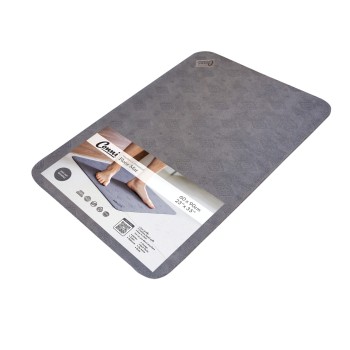
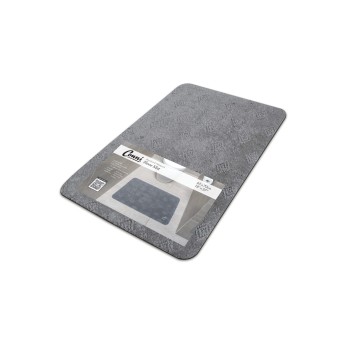
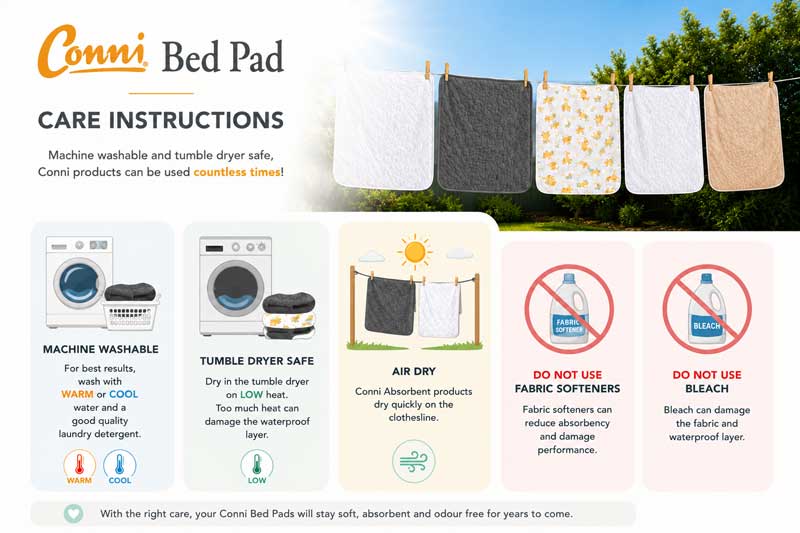
How to care for your Conni bed pad:
- Change the pad when wet or soiled.
- Do not leave used pads sitting for longer than necessary.
- Follow the product label for wash temperature and drying instructions.
- Avoid laundry products that the care label says not to use.
- Make sure the pad is fully dry before it goes back on the bed.
How to use reusable bed pads hygienically
1. Choose the right pad for the job
The right size and style matters. If the pad is too small or shifts during sleep, leaks may miss the absorbent area. For restless sleepers, children or people who move a lot during the night, a tuck-in bed pad may help keep protection in place.
2. Place the pad where it can do the most good
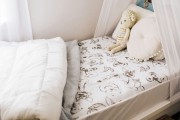
Most bed pads are placed on top of the fitted sheet, under the person. This lets the pad absorb the leak before it reaches the sheet or mattress.
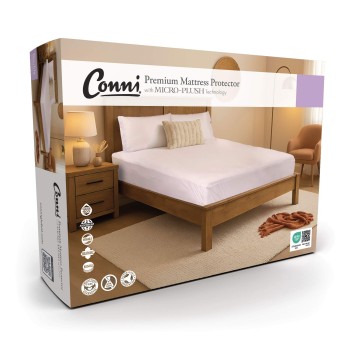
For stronger mattress protection, use a waterproof mattress protector underneath the sheet as a backup barrier.
3. Change the pad after use
If the bed pad is wet or soiled, remove it and replace it with a clean one. Having a spare nearby can make night changes easier.
4. Wash according to the care instructions
The care label matters. Follow the instructions for washing, drying and which laundry products to avoid.
5. Dry properly
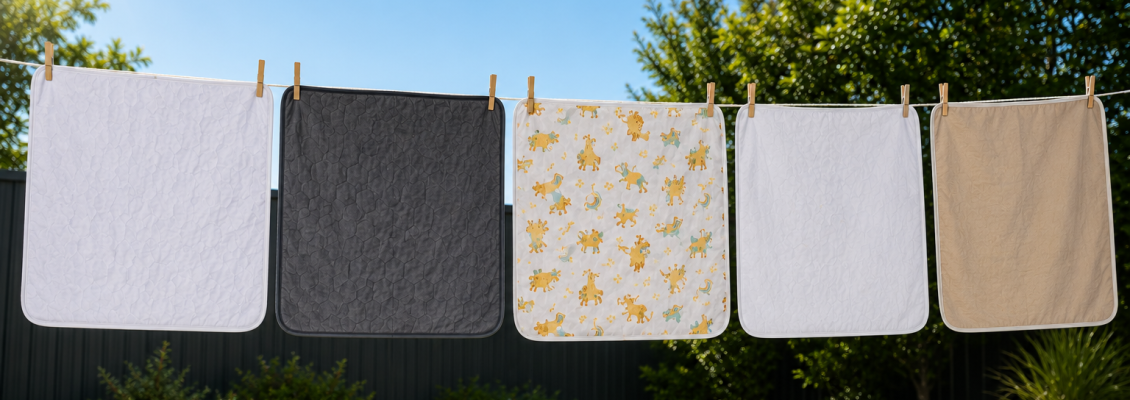
A bed pad should be fully dry before it is used again. Damp bedding is not comfortable and can create avoidable hygiene issues. Drying under sunlight can also assist with odour control.
Complete the bed protection setup
A reusable bed pad does the absorbent work on top of the sheet. A waterproof mattress protector sits underneath as the backup barrier for the mattress.
How many reusable bed pads do you need?
Most people need more than one reusable bed pad.
A simple starting point is:
- One on the bed
- One clean spare
- One in the wash, if accidents are frequent
The right number depends on:
- How often leaks or accidents happen
- How quickly your laundry dries
- Whether the person uses the pad every night
- Whether support workers or carers are involved
- Whether the pad is used at home, respite, school, travel or care settings
For regular night-time use, having two or three pads in rotation can make the routine much easier.
Will reusable bed pads smell?
Reusable bed pads should not smell when they are changed, washed and dried correctly.
Odour can become an issue if wet or soiled items are left too long, washed incorrectly, not dried properly or used past their practical life. If odour becomes a regular issue, review the washing routine, drying time and whether the pad needs replacing. UV light from outdoor sun drying can also assist with odour control.
Are reusable bed pads suitable for toilet training?
Yes, reusable bed pads can be very useful during toilet training, especially at night.
They sit on top of the sheet, which means parents can often remove the wet pad and replace it without stripping the entire bed. A waterproof mattress protector underneath adds backup protection for the mattress.
For toilet training, many families use:
- Waterproof mattress protector
- Reusable bed pad on top of the sheet
- Spare bed pad ready nearby
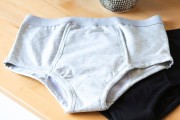
- Training pants where suitable
Are reusable bed pads suitable for elderly parents or care settings?
Reusable bed pads can be useful for elderly parents, family carers and professional care settings when they fit the person's needs and the laundry routine.
They may help with:
- Faster bed changes
- Extra mattress protection
- Night-time leaks
- Chair or bed routines, depending on product suitability
- Supporting dignity and comfort
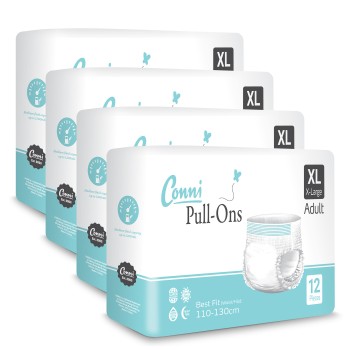
For regular or heavier leaks, a bed pad may be used alongside wearable protection and a waterproof mattress protector.
Reusable bed pads vs disposable bed pads
Both reusable and disposable bed pads have a place. The better choice depends on the situation.
| Option | Strengths | Considerations |
|---|---|---|
| Reusable bed pads | Washable, comfortable, useful for regular home routines, can reduce reliance on disposables. | Need washing, drying and enough pads in rotation. |
| Disposable bed pads | Convenient for travel, short-term use or when washing is difficult. | Ongoing replacement cost and more waste. |
| Both | Practical for mixed routines. | Requires clear use cases so the right product is used at the right time. |
For many homes, reusable bed pads are a practical everyday option, while disposables may still be useful for travel, hospital stays or emergencies.
When should a reusable bed pad be replaced?
A reusable bed pad should be replaced when it no longer performs as needed.
Signs to watch for include:
- Reduced absorbency
- Damage to the waterproof layer
- Persistent odour after correct washing
- Fraying, thinning or worn fabric
- Leaks reaching the bedding more often
- The pad no longer staying flat or comfortable
Conni Bed Pads can last for 100s of washes for many years when cared for correctly.
The best hygiene setup for the bed
For regular leaks, bedwetting or night-time accidents, the most practical setup is often:
- Waterproof mattress protector over the mattress
- Fitted sheet
- Reusable bed pad on top of the sheet
- Spare clean pad nearby
The bed pad handles the absorbency. The mattress protector protects the mattress underneath. Together, they make the whole setup easier to manage.


Frequently asked questions
Are reusable bed pads hygienic?
Yes, reusable bed pads can be hygienic when they are changed after use, washed correctly and dried fully before being used again. The care routine is what keeps them practical for everyday use.
Can reusable bed pads be washed every day?
Many reusable bed pads are designed for regular washing, but always follow the product's care instructions.
Do reusable bed pads smell?
They should not smell when changed, washed and dried correctly. Odour may suggest the pad has been left too long before washing, has not dried properly, has been washed incorrectly or may need replacing.
How many reusable bed pads do I need?
Most families benefit from at least two: one on the bed and one clean spare. If leaks or accidents happen often, three or more may make the washing routine easier.
Are reusable bed pads better than disposable bed pads?
It depends on the situation. Reusable bed pads are often practical for regular home use, while disposable pads can be useful for travel, short-term needs or when washing is difficult.
Do reusable bed pads hold a full bladder void?
Yes, our Conni Bed Pads will hold more than 2 full bladder voids (more than 2 litres).
Should I use a mattress protector with a reusable bed pad?
Yes, it is often a good idea. The bed pad absorbs liquid on top of the sheet, while the waterproof mattress protector protects the mattress underneath.
Are reusable bed pads good for toilet training?
Yes. Reusable bed pads can make toilet training accidents easier to manage because they sit on top of the sheet and can be changed quickly.
When should I replace a reusable bed pad?
Replace a bed pad when it no longer absorbs well, leaks through, smells after correct washing, shows damage or no longer feels comfortable.