



%20(1)-180x120w.jpg)





Incontinence affects millions of people worldwide, yet it remains a topic often shrouded in stigma and misunderstanding. Let’s shine a light on the realities of incontinence by sharing ten important facts to empower those living with this condition and their loved ones.

1. Incontinence Affects People of All Ages
While it’s commonly associated with aging, incontinence can affect children, teens, adults and seniors alike as described by Better Health Channel. For children, conditions such as bedwetting or developmental delays might contribute to bladder or bowel control issues. Teens and young adults may experience incontinence due to sports injuries or even high levels of stress. For adults, factors like childbirth, surgery or chronic health conditions can lead to incontinence. Seniors, while more likely to encounter incontinence due to aging muscles or neurological conditions, should know it’s not an inevitable part of aging and often signals treatable underlying causes.
2. There Are Different Types of Incontinence
According to Independence Australia, there are four types of urinary incontinence:
- Stress Incontinence - occurs during physical activities like coughing, sneezing or exercising.
- Urge Incontinence - characterised by a sudden, intense need to urinate.
- Overflow Incontinence - happens when the bladder cannot empty fully, leading to frequent dribbling.
- Functional incontinence occurs when a person is unable to reach the toilet in time due to physical limitations, mobility challenges or cognitive conditions like dementia. This means that even though their bladder or bowel function may be normal, other factors prevent them from making it to the bathroom when needed.
Faecal incontinence refers to difficulty controlling bowel movements, which can lead to accidents at unexpected times. This can be caused by weakened pelvic muscles, nerve damage, or digestive issues, making it harder to hold in or properly time a bowel movement.
3. Incontinence Is More Common Than You Think
Incontinence is far more common than many realise! Over 423 million adults worldwide experience some form of urinary incontinence as published in a study by the National Library of Medicine.





4. Women Are Twice as Likely as Men to Experience Incontinence
Factors like pregnancy, childbirth and menopause contribute to higher rates among women. However, men are also affected, particularly due to prostate-related issues.
5. Lifestyle Choices Can Influence Incontinence
Lifestyle choices significantly influence incontinence. Factors such as diet, weight, hydration, and physical activity levels all play a role. For instance, excessive caffeine or alcohol consumption can exacerbate symptoms.
6. Certain Medical Conditions Increase the Risk of Incontinence
Chronic conditions such as diabetes, multiple sclerosis and Parkinson’s disease can affect bladder control due to nerve damage or muscle weakness as explained in an article by the Mayo Clinic.
Urinary incontinence can also stem from an enlarged prostate or prostate cancer in Men.
7. Incontinence Is Not a Normal Part of Aging
Although more common with age, incontinence is not an inevitable part of getting older. It often signals an underlying issue, such as weakened pelvic muscles, nerve damage or a medical condition like diabetes or an overactive bladder, that can be managed or treated. Many senior adults mistakenly believe that leaks are just "part of aging," but with the right lifestyle changes, pelvic floor exercises and medical support, bladder control can often be improved. Seeking advice from a healthcare professional can help identify the cause and explore the best treatment options.
8. Hydration Is Important! Don’t Avoid Drinking Water!
Many people with incontinence cut back on fluids, thinking it will help reduce leaks. However, maintaining proper hydration is crucial for bladder health. While it might seem logical to reduce fluid intake to prevent leaks, drinking too little can lead to concentrated urine, which may irritate the bladder and increase urgency. It's better to drink water consistently throughout the day and avoid known bladder irritants like caffeine and alcohol as advised by the Mayo Clinic.
9. Open Conversations Make a Difference
Incontinence is nothing to be ashamed of, yet many people avoid talking about it. Open discussions and education help break the stigma, encouraging individuals to seek help and explore effective solutions.
By raising awareness and sharing experiences, we can normalise the conversation and show that bladder and bowel issues are common, manageable and not something to hide. Seeking support from healthcare professionals, loved ones or support groups can make a huge difference in confidence and quality of life.
10. Incontinence Is Manageable
Incontinence is different for everyone, but it can be managed with the right support and solutions. Simple changes like pelvic floor exercises, hydration and bladder training can help improve control, while the right products provide reliable protection and confidence for everyday life.

Incontinence is more common than many realise, yet it’s often a topic people feel uncomfortable discussing. The good news? It’s manageable, and you’re not alone. With the right support, whether through lifestyle changes, medical advice or our high-quality products, you can live confidently without worry.
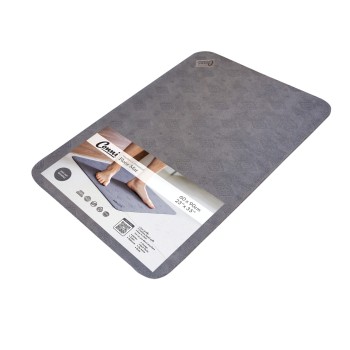
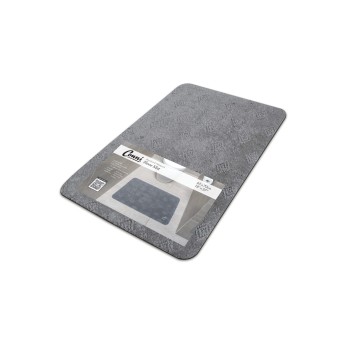
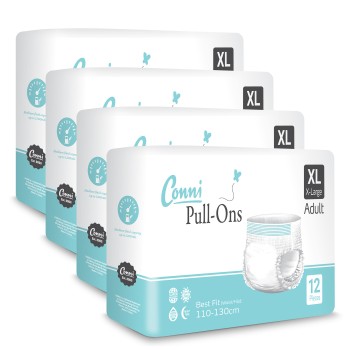
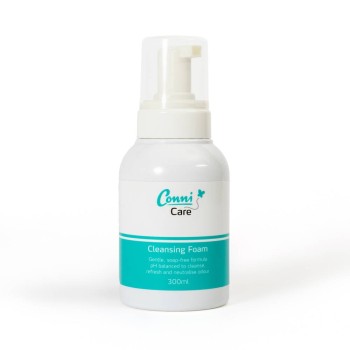
At Conni, we understand that incontinence affects people of all ages and stages of life, which is why our entire range, including reusable underwear, bed pads, chair pads, mattress protectors, and swimwear, is designed to provide practical, comfortable, and discreet protection. Whether you need daytime confidence or overnight peace of mind, we’ve got you covered.
By learning more, having open conversations, and finding the right solutions, we can break the stigma and ensure that everyone managing incontinence feels supported, empowered and in control.
If you'd like to learn more about any of the products in the Conni range, please don't hesitate to contact us. You can chat with one of our friendly customer service representatives via phone at 1300 721 710, email us via the Contact Us page, or use our live chat service.